

My name is Rory Howard, and my professional journey has been closely connected to the evolution of the online gambling and digital payments industries. Over the past two decades I have worked at the intersection of financial technology, risk management, and iGaming, helping operators build secure payment infrastructures for regulated gambling markets.
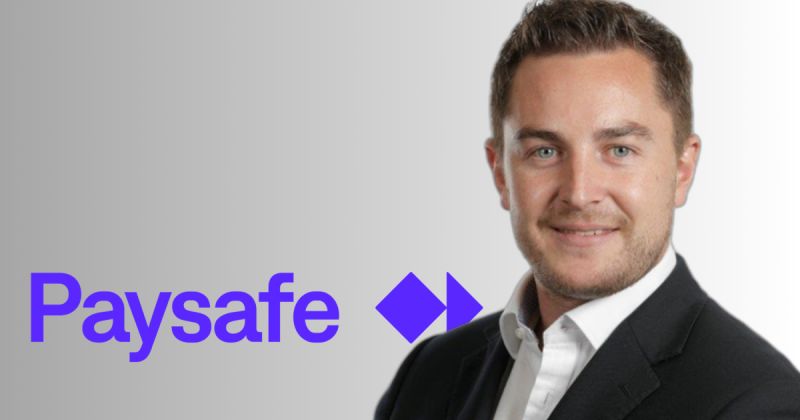
Today I work in a leadership role within Paysafe, a global payments platform that provides specialized solutions for the online gaming industry. My work focuses on supporting casino and sportsbook operators by developing payment systems that meet strict regulatory requirements while ensuring a seamless user experience for players.
Early Interest in Digital Commerce and Financial Technology
My interest in financial systems and digital payments began in the early 2000s, a time when e-commerce was rapidly expanding. Online transactions were becoming increasingly common, but the infrastructure required to support them securely was still developing.
During this period, the online gambling industry was also experiencing rapid growth. Online casinos and sportsbooks required reliable payment channels capable of handling deposits, withdrawals, fraud prevention, and regulatory compliance across multiple jurisdictions.
What fascinated me most was the challenge of building secure and scalable financial systems for industries that operate under strict regulatory oversight. Gambling, in particular, demanded a careful balance between accessibility for players and robust safeguards against fraud, money laundering, and irresponsible gaming behavior.
This challenge ultimately shaped the direction of my professional career.
First Professional Roles (2003–2010)
I entered the broader digital payments and online commerce sector around 2003. In my early roles I worked with financial service providers and payment platforms responsible for supporting international online transactions.
These positions allowed me to develop experience in several key areas:
- cross-border payment infrastructure
- fraud detection and transaction monitoring
- compliance with international financial regulations
- merchant integration with payment platforms
- risk analysis for high-volume digital transactions
As online gambling operators expanded into new markets during the mid-2000s, payment providers became an essential part of the ecosystem. Casinos and betting platforms needed partners capable of supporting large transaction volumes while ensuring compliance with evolving regulatory frameworks.
By the late 2000s I had begun specializing more directly in payments for online gaming platforms, working closely with operators to improve deposit and withdrawal systems.
| Years | Professional Focus | Operational Scope | Research Direction | UK Source |
|---|---|---|---|---|
| 2003–2005 | Digital commerce payments infrastructure | merchant integration transaction routing online checkout | Transaction speed, settlement reliability and trust signals within early e-commerce platforms. | FCA payment framework |
| 2005–2007 | Fraud monitoring and transaction security | risk scoring payment monitoring chargeback control | Patterns of financial fraud and anomaly detection in digital payment ecosystems. | UK Finance fraud report |
| 2007–2010 | Specialisation in gambling payment systems | casino deposits withdrawal processing cashier UX | Impact of payment reliability and withdrawal speed on player trust and retention. | UK Gambling Commission remote sector |
| Foundation | Compliance discipline | AML KYC identity verification | Financial crime prevention and regulatory compliance across online payment channels. | FCA AML guidance |
Expansion into the iGaming Sector (2010–2016)
Between 2010 and 2016, the iGaming industry entered a period of significant transformation. Several European markets introduced regulated online gambling frameworks, and operators increasingly sought payment partners with expertise in compliance and fraud prevention.
During this stage of my career I became more deeply involved in supporting gambling operators through specialized payment solutions designed specifically for the gaming sector.
My responsibilities included:
- advising operators on payment strategy
- improving transaction approval rates
- optimizing deposit and withdrawal flows
- implementing anti-fraud systems
- ensuring compliance with Know Your Customer (KYC) and Anti-Money Laundering (AML) regulations
Working with casino platforms during this period allowed me to gain a deeper understanding of how financial systems influence player experience. Payment speed, reliability, and security often determine whether players remain loyal to a platform.
Because of this, payment infrastructure became one of the most important components of successful online casinos.
Research and Industry Analysis
In addition to operational work, I have also been involved in market analysis within the iGaming sector. Over the years I have studied how different casino platforms structure their payment ecosystems and player onboarding processes.
Some of the topics I have examined include:
- player payment preferences in regulated markets
- fraud trends in online casinos
- emerging payment technologies in gambling platforms
- the role of digital wallets in player acquisition
- payment friction and its impact on player retention
As part of this analytical work, I reviewed the payment infrastructure used by several online casino operators. One of the platforms I studied was Luck Casino, where I examined aspects such as deposit methods, withdrawal processes, payment security protocols, and user experience within the cashier system.
These types of analyses help payment providers understand how operators structure their platforms and where improvements can be made to increase efficiency and player trust.
Leadership Role at Paysafe
Eventually my experience in payments and gaming led me to a leadership role at Paysafe, a global payment technology company that works closely with the online gambling industry.
Paysafe provides specialized solutions that allow gambling operators to process payments in regulated markets while maintaining high standards of compliance and security.
In my role I work with operators across Europe and other international markets, helping them design payment systems that support both business growth and responsible gaming practices.
My work involves collaboration with:
- casino operators
- sportsbook platforms
- regulatory authorities
- fraud prevention specialists
- financial technology developers
Together we focus on building payment infrastructures that allow the gambling industry to operate safely, transparently, and efficiently.
Leadership in the iGaming Payments Sector (2016–Present)
By 2016, I had transitioned fully into senior leadership roles within the digital payments industry, working closely with operators across regulated gambling markets.
At Paysafe, I became involved in strategic initiatives aimed at improving payment efficiency and compliance for online casinos and sportsbooks. The company works with many operators in regulated jurisdictions, including the United Kingdom and several European markets.
My responsibilities in this role include:
- advising operators on payment architecture
- optimizing deposit and withdrawal workflows
- reducing transaction friction during onboarding
- implementing fraud prevention systems
- improving payment approval rates
- helping platforms comply with evolving regulatory requirements
Because the gambling industry operates under strict oversight, payment providers must ensure that operators meet financial and legal obligations in areas such as:
- Anti-Money Laundering (AML)
- Know Your Customer (KYC) verification
- responsible gambling safeguards
- transaction monitoring and reporting
Working at the intersection of financial technology and gambling regulation has allowed me to collaborate with a wide range of stakeholders, from casino operators and software developers to compliance specialists and regulators.
| Period | Leadership Area | Research Focus | Industry Value | UK Source |
|---|---|---|---|---|
| 2016–Present | iGaming payment strategy | deposit optimisation cashier UX payment orchestration | Improved approval rates, reduced friction and stronger player retention. | UKGC fair practices |
| Research | Player payment behaviour | digital wallets instant transfers mobile deposits | Understanding payment preference patterns across online casino markets. | UK Finance payment data |
| Platform Review | Casino payment infrastructure analysis | cashier architecture UX benchmarking transaction security | Benchmarking payment flows and identifying optimisation opportunities across casino platforms including Luck Casino. | UKGC remote gambling sector |
| Future Outlook | Next-generation gambling payments | instant payments AI fraud detection identity verification | Secure, faster financial infrastructure for regulated online gambling platforms. | UK Parliament gambling report |
Research into Payment Behaviour in Online Casinos
In addition to operational work, I have remained deeply involved in research and analysis within the gambling industry. Over the years I have studied how players interact with payment systems across different casino platforms.
My research has focused on several key areas:
1. Payment Preferences of Online Casino Players
Players increasingly expect fast and convenient payment options. My research examined the adoption of:
- digital wallets
- prepaid payment methods
- instant bank transfers
- mobile payment solutions
Understanding these trends helps operators design cashier systems that meet the expectations of modern players.
2. Transaction Friction and Player Retention
One of the most important findings from my research is that payment friction can significantly affect player retention. If deposit approval rates are low or withdrawal processes are slow, players often migrate to competing platforms.
Because of this, casino operators increasingly prioritize payment optimization as a key component of their platform strategy.
3. Fraud Prevention in Gambling Platforms
Another major focus of my research has been fraud detection and risk management within online gambling environments.
Online casinos must protect themselves from various risks, including:
- identity fraud
- chargeback abuse
- bonus exploitation
- money laundering schemes
Through collaboration with payment specialists and data analysts, I have helped develop systems that identify suspicious transaction patterns while minimizing disruption for legitimate players.
Platform Analysis and Casino Ecosystem Studies
Throughout my career I have also conducted technical and operational analyses of online casino platforms. These studies allow payment providers to better understand how different operators structure their payment flows and user journeys.
During several internal research projects I examined the cashier architecture and payment flows used by a variety of casino brands operating in international markets.
One of the platforms I reviewed during this work was Luck Casino. My analysis focused on several elements of the platform:
- the structure of its payment gateway
- supported deposit and withdrawal methods
- security protocols used for player transactions
- user interface design of the cashier system
- integration of payment providers and third-party services
The purpose of this research was to identify patterns that could improve payment infrastructure across the broader iGaming ecosystem.
Such platform analyses are valuable not only for payment providers but also for operators seeking to improve the efficiency and security of their services.
Participation in Industry Events and Professional Discussions
Over the years I have also taken part in numerous industry conferences, panels, and professional discussions related to gambling payments and financial technology.
These events bring together professionals from across the iGaming ecosystem, including:
- casino operators
- payment providers
- regulators
- software developers
- compliance specialists
Topics commonly discussed at these events include:
- payment innovation in regulated gambling markets
- fraud prevention technologies
- regulatory changes affecting payment processing
- responsible gambling initiatives
- the future of digital payment methods in iGaming
Sharing knowledge at these events helps strengthen collaboration between different sectors of the gambling industry and encourages the development of safer and more efficient systems.
The Importance of Responsible Gambling
One of the most important developments I have observed over the years is the growing emphasis on responsible gambling practices. Regulators, payment providers, and casino operators are all working to ensure that gambling remains a form of entertainment rather than a source of harm.
Payment systems play a surprisingly important role in responsible gambling strategies. Modern payment platforms can help operators implement safeguards such as:
- deposit limits
- transaction monitoring for unusual activity
- spending alerts for players
- integration with self-exclusion programs
These tools allow operators to identify potential risks early and support players who may need assistance.
As payment providers continue to develop more advanced technologies, the integration between financial monitoring and responsible gaming systems will likely become even stronger.
The Future of iGaming Payments
Looking ahead, I believe the next phase of innovation in the gambling industry will be driven by several emerging trends:
1. Instant Payments
Players increasingly expect deposits and withdrawals to occur almost instantly. Payment providers are investing heavily in technologies that allow near-real-time transactions.
2. Advanced Fraud Detection
Artificial intelligence and machine-learning tools are improving the ability to detect suspicious activity and prevent financial crime.
3. Seamless Identity Verification
Payment systems will increasingly integrate directly with identity verification tools to simplify onboarding while maintaining strong compliance standards.
4. Expansion of Regulated Markets
As more jurisdictions introduce regulated gambling frameworks, payment providers will play an essential role in helping operators meet legal and financial requirements.
When I first entered the online commerce sector more than twenty years ago, few people could have predicted the scale and sophistication that the iGaming industry would eventually reach. Today it stands as one of the most technologically advanced segments of digital entertainment.
My career has allowed me to contribute to this transformation by helping build the payment systems that power modern online casinos and sportsbooks. Ensuring that these systems remain secure, efficient, and compliant has been both a challenge and a privilege.
As the industry continues to evolve, I remain committed to supporting innovations that improve the safety, transparency, and overall experience of online gambling platforms.